
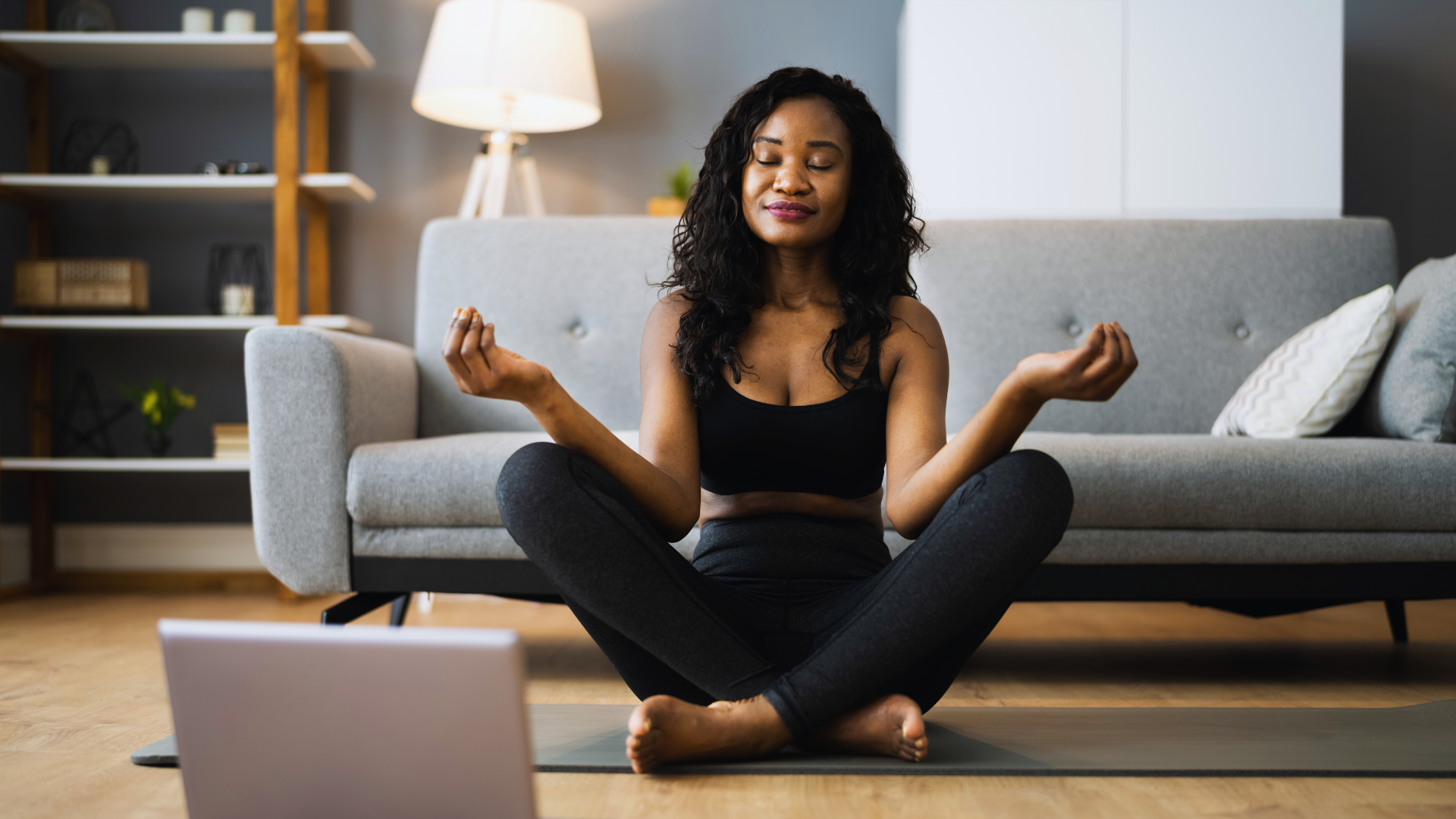
Stress and anxiety affect many individuals, influencing their mental health and overall quality of life. Finding natural methods to manage these challenges can lead to a healthier, more balanced lifestyle. From mindfulness techniques to the use of herbs and dietary adjustments, there are various approaches that can alleviate stress without relying on medication.
Incorporating simple practices such as meditation or deep-breathing exercises can significantly enhance mental wellness. Additionally, engaging in regular physical activity not only boosts mood but also helps reduce anxiety levels. These strategies empower individuals to take control of their mental health in a proactive manner.
Exploring these natural methods offers the potential for lasting relief and improved emotional resilience. Readers will discover how minor lifestyle changes can yield substantial benefits in managing stress and anxiety effectively.
Understanding Stress and Anxiety
Stress and anxiety are common emotional responses that can significantly impact one’s daily life. Recognizing their definitions and connections is key to managing them effectively.
What Is Stress?
Stress is the body’s reaction to a challenge or demand. It can be triggered by various factors, including work pressures, financial concerns, or personal relationships.
In urgent cases, stress can be beneficial, prompting quick responses to threats. However, prolonged exposure to stress leads to chronic stress, which can harm physical and mental health.
Symptoms may include headaches, fatigue, and irritability. Effective stress management strategies are necessary to mitigate these responses and maintain overall well-being.
Defining Anxiety and Its Impact
Anxiety is characterized by feelings of worry, fear, or apprehension about future events. It often manifests in physical symptoms such as a racing heart, increased perspiration, or restlessness.
Anxiety varies in intensity, ranging from mild concern to debilitating panic. It can severely affect a person’s ability to function in daily life, influencing work performance and social interactions.
Chronic anxiety, if left untreated, may lead to various mental health disorders, including generalized anxiety disorder (GAD) or panic disorder. The impact on emotional health is significant, necessitating appropriate strategies for management.
The Connection Between Chronic Stress and Mental Health
Chronic stress has a profound link to mental health challenges. Continuous exposure to high-stress environments can lead to depression, anxiety disorders, and other emotional issues.
Stress triggers the release of cortisol, a hormone that helps the body respond to threats. Elevated levels over time can disrupt brain function, particularly affecting areas responsible for mood regulation.
Recognizing this connection is vital. Addressing chronic stress through natural methods like mindfulness, exercise, and social support can enhance mental health and improve one’s quality of life.
Natural Strategies To Manage Stress And Anxiety
Managing stress and anxiety can be effectively approached through various natural strategies. By focusing on mindfulness, physical activity, nutrition, and social connections, individuals can find ways to alleviate their symptoms and improve their overall mental health.
Practicing Mindfulness And Meditation
Mindfulness involves being present in the moment and acknowledging thoughts without judgment. It can be implemented through meditation practices that focus on breathing and awareness. Techniques like guided meditation or body scans can help reduce stress levels.
Setting aside 10-20 minutes daily can enhance concentration and emotional well-being. Utilizing apps or local classes can provide additional support for beginners. The goal is to promote relaxation and clarity, which directly contributes to lower anxiety levels.
Physical Activity And Exercise
Regular exercise plays a crucial role in mental health. Engaging in physical activities such as walking, jogging, or yoga releases endorphins, chemicals that boost mood. The American Heart Association recommends at least 150 minutes of moderate aerobic activity per week.
Incorporating strength training can also enhance overall physical health. It not only reduces stress but also improves self-esteem. Creating a routine that includes enjoyable activities increases the likelihood of maintaining consistency, providing long-term benefits.
Optimizing Nutrition And Sleep
Nutrition has a significant impact on mental health. Consuming a balanced diet rich in fruits, vegetables, whole grains, and healthy fats supports brain function. Foods high in omega-3 fatty acids, like salmon and walnuts, can be particularly beneficial.
Sleep quality also affects anxiety levels. Aim for 7-9 hours of sleep each night. Establishing a regular sleep schedule, limiting caffeine, and creating a calming bedtime routine can enhance overall rest. Proper nutrition and sleep work hand in hand to improve resilience against stress.
Building Social Connections
Strong social connections are vital for reducing stress and anxiety. Engaging with friends or family provides emotional support and builds a sense of belonging. Regular social interactions can mitigate feelings of loneliness, a common contributor to anxiety.
Participating in group activities or community events can foster new relationships. Volunteering or joining clubs can also provide opportunities to connect with others. Building a solid support network is essential for emotional well-being and can aid in managing stress effectively.
Lifestyle Changes For Long-Term Relief
Making lifestyle adjustments can significantly aid in managing stress and anxiety over time. By incorporating healthy routines, minimizing stimulants, and seeking professional help when necessary, individuals can create a supportive environment for their mental health.
Developing Healthy Routines
Establishing regular routines supports mental health by providing stability amidst daily challenges. This can include:
- Consistent Sleep Schedule: Aim for 7-9 hours of quality sleep nightly. Sleep deprivation aggravates chronic stress.
- Balanced Diet: Incorporate whole foods like fruits, vegetables, and lean proteins. Reducing sugar and processed foods can also help stabilize mood.
- Physical Activity: Engage in regular exercise, such as walking or yoga. It releases endorphins, which improve mood and reduce anxiety.
Having a structured daily routine creates predictability, which can alleviate feelings of uncertainty and stress.
Limiting Stimulants And Digital Consumption
Reducing stimulants like caffeine and nicotine can lower anxiety levels. These substances often contribute to restlessness and increased heart rates. Recommendations include:
- Caffeine Management: Limit caffeine intake to one cup of coffee per day, if at all. Opt for herbal teas instead.
- Digital Detox: Designate time away from screens, especially before bed. This helps mitigate feelings of anxiety sparked by constant notifications and social media.
Mindful consumption of information and resources can lead to better mental clarity and less stress.
Seeking Professional Support When Needed
Engaging with mental health professionals can provide essential tools for managing stress. Therapy options include:
- Cognitive Behavioral Therapy (CBT): Effective for addressing negative thought patterns that contribute to anxiety.
- Support Groups: Connecting with others facing similar challenges can foster a sense of community and shared experience.
Recognizing when one needs support is a crucial step in managing stress and anxiety. Seeking help is a sign of strength, not weakness.
Leave a Reply