
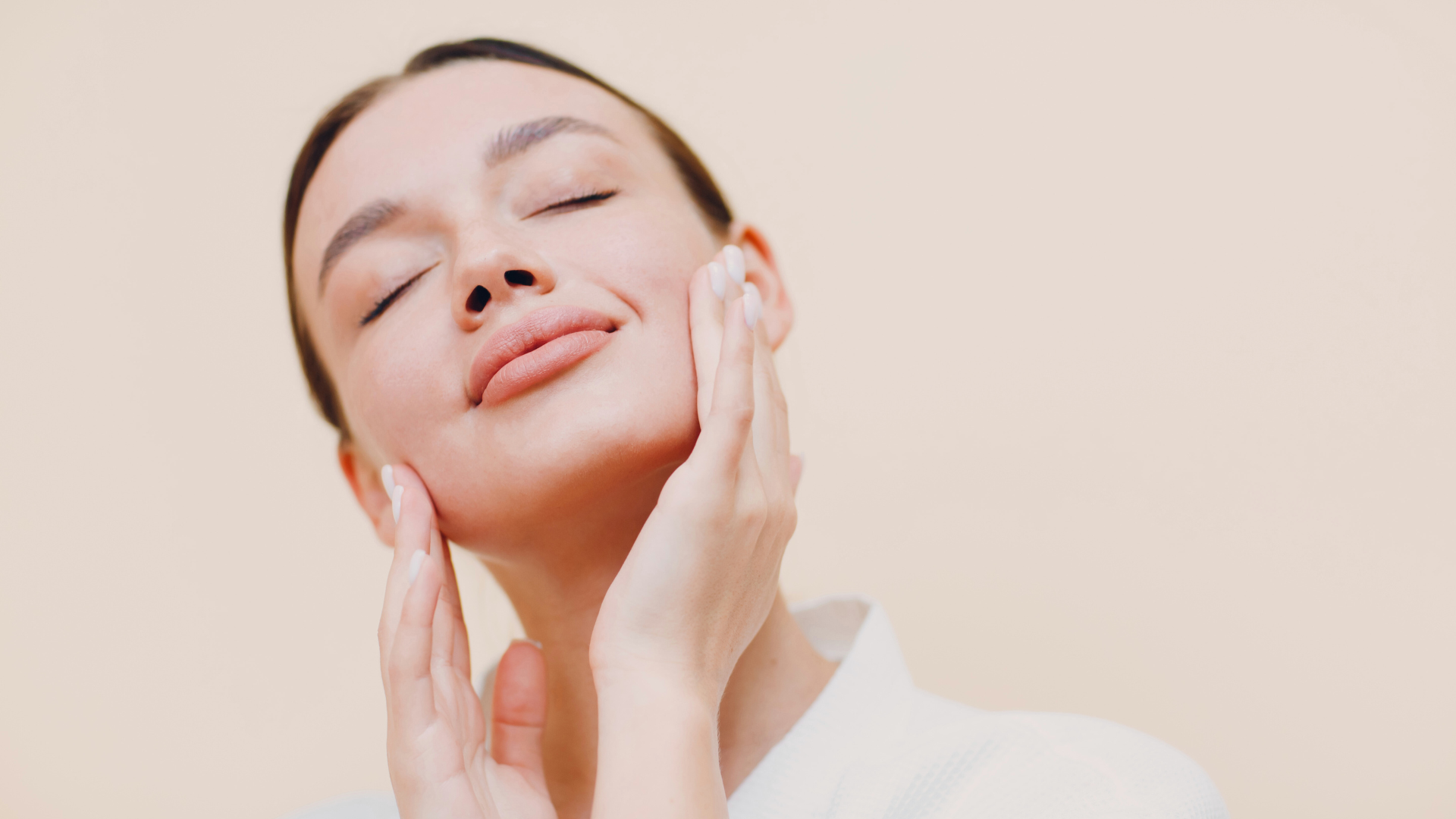
Facial massage improves skin health by increasing blood circulation, which helps deliver more oxygen and nutrients to the skin. This process supports a natural glow and can enhance the skin’s overall appearance.
Regular facial massage also promotes lymphatic drainage, reducing puffiness and helping to remove toxins from the skin. It can relieve tension in facial muscles, which may help prevent the appearance of fine lines over time.
Beyond physical benefits, facial massage encourages relaxation and stress reduction, indirectly supporting healthier skin. These combined effects make it a valuable addition to any skincare routine.
Core Benefits of Facial Massage for Skin Health
Facial massage positively influences various aspects of skin health, including circulation, collagen levels, and lymphatic function. It also supports relaxation, which can indirectly improve the skin’s appearance through reduced stress.
Improved Blood Circulation and Oxygenation
Facial massage stimulates skin blood flow, enhancing the delivery of oxygen and nutrients to skin cells. This improved circulation helps skin appear more vibrant and healthy by supporting cellular metabolism.
Increased blood flow also aids in the removal of toxins and waste products from the skin. This process can contribute to a clearer complexion and a natural glow.
The gentle pressure applied during massage helps expand blood vessels in the face, which boosts circulation without causing irritation. Enhanced oxygenation supports skin repair and regeneration.
Enhanced Collagen Production and Skin Elasticity
Facial massage may promote collagen production by stimulating the fibroblast cells responsible for creating this essential protein. Increased collagen can improve skin elasticity and firmness.
By encouraging collagen synthesis, massage can reduce the appearance of fine lines and wrinkles over time. This effect helps maintain a youthful skin texture and resilience.
The mechanical stimulation from massage encourages skin tightening and may slow down collagen degradation caused by aging and environmental factors. Consistent facial massage supports skin structure.
Lymphatic Drainage and Reduced Puffiness
Facial massage activates the lymphatic system, enhancing lymph flow and promoting efficient drainage of excess fluids and toxins. This process reduces puffiness, particularly around the eyes and cheeks.
Smoothing motions toward the lymph nodes help the lymphatic system remove waste more effectively. This supports the immune system by reducing the buildup of harmful substances in the skin.
Regular facial massage can prevent fluid retention and swelling, giving the face a more sculpted and less bloated appearance. It also supports overall skin detoxification.
Stress Relief and Relaxation
Facial massage triggers relaxation by reducing muscle tension and calming the nervous system. Lower stress levels can positively affect skin health by decreasing cortisol-related damage.
Relaxation from massage helps reduce inflammation and promotes better sleep, both of which benefit skin repair processes. Calm muscles can also prevent tension lines on the face.
This stress relief can indirectly improve skin conditions sensitive to stress, like acne or eczema. Massage’s soothing effect supports both mental well-being and skin vitality.
Popular Facial Massage Techniques and Tools
Various facial massage methods and tools target muscle tension, blood flow, and lymphatic drainage. Specific techniques and devices are used to enhance these effects, often combined with facial oils to reduce friction and improve glide.
Gua Sha and Gua Sha Stones
Gua Sha uses smooth, flat stones, typically made of jade or rose quartz, to scrape the skin gently. This scraping motion increases circulation, promotes lymphatic drainage, and may reduce puffiness and inflammation.
The tool is moved in upward and outward strokes along the face’s contours, especially around the jawline, cheeks, and forehead. Consistent use can improve skin texture and firmness. Facial oil is applied before using Gua Sha stones to prevent irritation.
Jade Rollers and Facial Rolling
Jade rollers consist of two smooth stones attached to a handle, used to roll over the face’s surface. They aid in lymphatic drainage, helping reduce facial swelling and improve skin tone.
The smaller end targets delicate areas like beneath the eyes, while the larger end covers cheeks and the forehead. Jade rollers are typically used with facial oils to ensure smooth movement without pulling the skin.
Effleurage and Kneading
Effleurage is a gentle, gliding massage technique that stimulates blood flow and warms the skin. It involves soft, circular movements typically performed with fingers or palms across the forehead, cheeks, and neck.
Kneading involves deeper, rhythmic pressing and lifting motions to release muscle tension and improve circulation. Both techniques are fundamental in facial massage routines and are usually applied with facial oils for enhanced comfort and effectiveness.
Tapping and Buccal Massage
Tapping involves light, repetitive finger movements on the skin, which can stimulate circulation and promote skin firmness. It also helps energize the facial muscles.
Buccal massage is performed inside the mouth to reach deeper facial muscles not easily accessed externally. It helps release tension in the cheek muscles and improve overall muscle tone. Both techniques require precision and are often part of professional facial treatments.
Integrating Facial Massage Into Your Skincare Routine
Facial massage can enhance the effectiveness of skincare products and improve skin cell function. Establishing a consistent facial massage routine helps maintain skin health and maximizes benefits when combined with appropriate skincare products.
Maximizing Product Absorption
Facial massage helps boost the penetration of skincare products by increasing blood circulation and warming the skin surface. This allows active ingredients in products like serums and facial oils to reach deeper skin layers.
Gentle upward strokes encourage product absorption and prevent tugging or stretching of the skin. Applying light pressure to key points also stimulates lymphatic drainage, reducing puffiness and supporting skin detoxification.
Ensuring clean hands and using the right amount of product are crucial. Too much can cause build-up, while too little limits the effects. Facial massage increases product efficiency without the need for excessive application.
Building a Facial Massage Routine
Consistency is key for lasting skin benefits. A facial massage routine should take about 5 to 10 minutes and fit into daily skincare practices, ideally during cleansing or moisturizing.
Starting with clean skin, use gentle, rhythmic motions. Focus on areas prone to tension, like the jawline, cheeks, and forehead. Using slow, deliberate strokes helps promote relaxation and circulation without irritation.
Tracking time and technique improves results. Regular practice helps skin cells respond better to nutrients and supports overall skin health through massage therapy principles.
Combining Massage with Skincare Products
Not all skincare products suit facial massage. Products with a smooth texture, like facial oils or lightweight creams, provide adequate slip, minimizing skin friction.
Facial oils are particularly effective because they nourish while allowing hands to glide easily. Layering massage with serums can enhance active ingredient delivery, but serums alone may lack sufficient slip.
It is important to tailor product choice and massage technique to individual skin types. Oily skin may prefer gel-based formulas, while dry skin benefits more from rich oils during massage.
Additional Considerations and Skin Conditions
Facial massage influences various aspects of skin health by addressing muscle tension, improving circulation, and potentially benefiting common skin concerns. It can support anti-aging efforts, affect skin texture and tone, and require caution for certain skin conditions.
Anti-Aging and Skin Repair
Facial massage can enhance skin repair by stimulating blood flow, delivering more oxygen and nutrients to skin cells. This improved circulation supports collagen production, which is critical for maintaining skin elasticity and reducing fine lines.
Gentle manipulation of facial muscles helps relieve tension that contributes to wrinkles. By relaxing these muscles, massage may smooth skin texture and improve overall skin tone. However, techniques should be slow and careful to avoid stretching delicate skin.
Regular massage may complement topical anti-aging treatments by enhancing product absorption. It is not a substitute for clinically proven therapies, but can be part of a skin care routine aimed at maintaining youthful skin.
Impact on Acne and Other Skin Conditions
Massage affects skin by promoting lymphatic drainage, which helps reduce inflammation and swelling. However, people with active acne should be cautious, as excessive pressure can irritate lesions or spread bacteria.
For conditions like rosacea or eczema, massage might exacerbate redness or irritation due to increased blood flow and friction. Soft, minimal pressure techniques are preferable, and areas with open wounds or severe sensitivity should be avoided entirely.
Individuals with sensitive or compromised skin should tailor massage methods to their specific needs. When done correctly, it can support skin health but requires a personalized approach to avoid aggravating existing skin conditions.
When to Consult a Dermatologist
Consulting a dermatologist is advised before starting facial massage if there are persistent skin issues like severe acne, rosacea, or dermatitis. A professional can recommend safe methods or alternative treatments suited to the individual’s skin condition.
A dermatologist can also help identify any contraindications for facial massage based on skin type or medical history. This step ensures that massage contributes positively to skin health without causing harm.
If unusual redness, irritation, or worsening skin texture occurs after a massage, seeking medical advice is important. Early intervention by a dermatologist helps prevent complications and supports appropriate skin care decisions.
Leave a Reply