
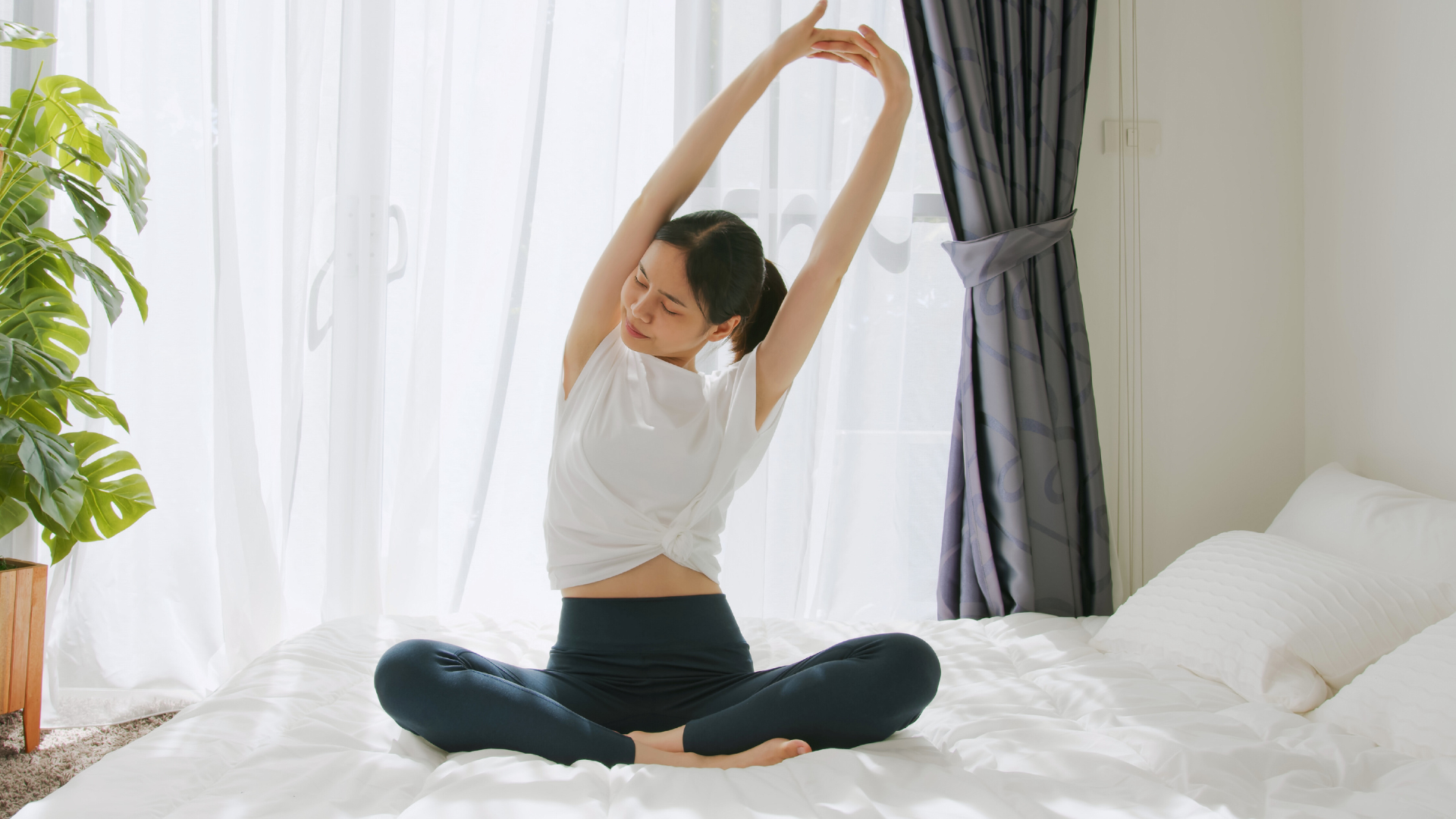
Stress can build up quickly in daily life, affecting mental and physical health. Movement offers a practical way to reduce stress by releasing tension in the body and promoting the production of mood-enhancing chemicals like endorphins. Engaging in regular physical activities such as walking, stretching, or yoga can help manage stress by calming the mind and improving overall well-being.
Even brief periods of movement can interrupt negative thought patterns and shift focus away from stressors. Consistent practice makes it easier to maintain emotional balance and handle challenges more effectively. This approach works because it addresses stress at both the physical and psychological levels.
How Movement Alleviates Stress
Movement helps reduce stress by influencing brain chemistry, hormonal balance, and nervous system function. It supports mental health and resilience through specific physiological changes that improve well-being.
The Mind-Body Connection
Movement directly impacts the mind-body connection by regulating the nervous system. Physical activity stimulates the parasympathetic nervous system, which promotes relaxation and counteracts the fight-or-flight response.
This regulation lowers heart rate and encourages calmness. Studies from the American Psychological Association show that mindful movement strengthens awareness of bodily sensations, helping individuals respond better to stress.
By increasing body awareness, people improve emotional regulation and reduce anxiety. This connection supports long-term stress management and resilience.
Understanding the Role of Stress Hormones
Stress hormones like cortisol rise during stressful situations, increasing alertness but also risk of chronic stress. Movement helps lower cortisol levels, reducing its harmful effects on the body and brain.
Exercise triggers the release of endorphins, natural chemicals that improve mood and act as pain relievers. The Mayo Clinic highlights that this biochemical shift enhances mental health by diminishing feelings of anxiety and depression.
Regular physical activity creates a hormonal balance that supports recovery from stress and decreases overall stress hormone production. This hormonal adjustment is key to effective stress relief.
Benefits of Regular Physical Activity
Consistent physical activity improves overall well-being by enhancing cardiovascular health, muscle strength, and brain function. It boosts mood and energy while improving sleep quality, which are critical for managing stress.
Engaging in activities such as walking, cycling, or yoga increases resilience by building the body’s capacity to handle stress. The American Psychological Association recommends at least 150 minutes of moderate exercise weekly for optimal stress management.
Regular movement also encourages social interaction, improving support networks that contribute to mental health. Its combined physical and psychological benefits make it a vital tool for stress relief.
Types of Movement for Stress Reduction
Movement can directly affect physical and mental stress by reducing muscle tension and improving emotional regulation. Different forms of exercise impact the body and brain in unique ways, offering various paths to stress relief.
Aerobic Exercise and Endorphin Release
Aerobic exercise, such as swimming, running, or cycling, increases heart rate and oxygen flow, which triggers the release of endorphins. These natural chemicals create a feeling of well-being that helps reduce stress symptoms.
Regular aerobic activity supports neuroplasticity, improving brain function related to emotional regulation. It also lowers cortisol, the primary stress hormone, while increasing serotonin and dopamine levels.
Engaging in consistent aerobic exercise can break cycles of anxiety. Even moderate sessions of 20–30 minutes, three times weekly, can provide measurable benefits for stress reduction.
Strength Training and Empowerment
Strength training focuses on building muscle through resistance exercises like weightlifting. This form of movement helps reduce stress by improving physical confidence and body awareness.
Lifting weights or using resistance bands can release muscle tension and promote a sense of control over the body. This empowerment often translates into better emotional regulation in challenging situations.
Strength training also produces biochemical changes such as increased endorphin levels and lower cortisol. These changes contribute to improved mood and a reduction in feelings of helplessness linked to stress.
Gentle Stretching for Tension Relief
Stretching exercises target specific areas of muscle tension, commonly the neck, shoulders, and back. Movements like shoulder rolls or desk stretches gradually release tightness caused by prolonged sitting.
Gentle stretching promotes blood flow, flexibility, and relaxation without intense exertion. It activates the parasympathetic nervous system, which helps reduce stress responses.
Integrating stretching routines such as progressive muscle relaxation throughout the day can prevent stress buildup and improve posture, further easing physical discomfort linked to stress.
Mindful Movement Practices
Mindful movement includes activities like yoga, tai chi, and qigong, combining gentle motion with focused breathing and body awareness. This integration enhances emotional regulation by training attention to the present moment.
These practices reduce stress by lowering muscle tension and calming the nervous system. They encourage neuroplasticity through repeated focused movement and mental engagement that rewires stress responses.
Consistent mindful movement develops an improved connection between mind and body, offering a sustainable way to manage stress while building resilience and clarity.
Mindful and Meditative Movement Approaches
Movement practices that combine physical activity with focused awareness can help reduce stress by promoting emotional regulation and mental clarity. These methods often integrate breath control, slow, deliberate motions, and a strong connection to the present moment.
Yoga for Stress and Emotional Balance
Yoga links breath with movement, creating a rhythmic flow that calms the nervous system. It helps regulate the stress response by activating the parasympathetic nervous system through controlled postures and breathing techniques.
Certain styles like Hatha and Yin yoga emphasize slow, mindful transitions and deep stretches, encouraging emotional grounding. Practicing yoga regularly can improve self-awareness, reduce muscle tension, and provide a structured way to release accumulated stress.
Breath-focused meditation during yoga enhances mindfulness, making it easier to observe thoughts and emotions without judgment. This process builds resilience to stress and supports emotional balance over time.
Tai Chi and Qigong for Flow States
Tai Chi and Qigong combine slow, flowing movements with breath and mental focus to cultivate internal energy (Qi). Both practices encourage a meditative state where practitioners experience a deep calming of the mind and a sense of effortless flow.
These arts reduce stress by improving body awareness and promoting relaxation through gentle, continuous motion. The focus on alignment and coordinated breathing helps interrupt stressful thought patterns.
Regular practice supports emotional grounding by encouraging attention to sensations and the present moment. This mindful engagement can lead to sustained reductions in anxiety and tension.
Walking and Meditation in Motion
Slow walking combined with meditation techniques creates a practice known as “meditation in motion.” This method uses deliberate pacing and focused attention on each step to promote mindfulness and interrupt stress cycles.
Participants concentrate on the sensation of the feet touching the ground, breath rhythm, and surrounding sounds. This simple, accessible practice fosters a grounded emotional state and mental clarity.
Walking meditation serves as a bridge between stillness and movement, making mindfulness more approachable for those who find seated meditation challenging. It activates the parasympathetic nervous system, aiding stress reduction while keeping the body gently engaged.
Creating an Effective Movement Routine for Stress Management
Developing a movement routine tailored to stress relief requires attention to physical signals, consistency, and adaptability to different environments. These elements help maintain emotional balance and improve mental clarity over time.
Listening to Your Body
Recognizing signs of tension or fatigue is essential for effective stress management through movement. When experiencing emotional tension, gentle stretches or slow-paced exercise can help release built-up stress without causing strain.
It is important to adjust intensity based on energy levels and avoid pushing too hard. For example, morning movement might focus on light yoga or walking to kickstart the day calmly and increase mental clarity.
Paying attention to breathing and muscle tightness helps avoid injury and maximizes stress relief benefits. Rest and recovery are equally important to allow the body to reset.
Making Movement a Sustainable Habit
Consistency is key in using movement to manage stress. Setting specific times for activity, such as 15-20 minutes every morning or evening, helps create a routine without overwhelming daily schedules.
Incorporating variety prevents boredom and addresses different areas of the body and mind. Alternating between cardio, strength, and flexibility exercises supports overall emotional well-being.
Tracking progress in a journal or app encourages accountability and highlights improvements in stress levels. Small, realistic goals, like walking during breaks at work, build sustainable habits.
Movement Strategies for Different Settings
Movement routines must adapt to environments such as home, office, or outdoors to remain effective. At home, short guided sessions with minimal equipment support flexibility and ease.
In work settings, simple actions like chair stretches or standing breaks reduce physical tension and improve concentration. Outdoor movement, like walking or cycling, combines fresh air with exercise, enhancing mood.
Planning routines aligned with the setting ensures movement fits seamlessly into daily life. For instance, morning walks outside can increase mental clarity and prepare the mind for the day ahead.
Leave a Reply