
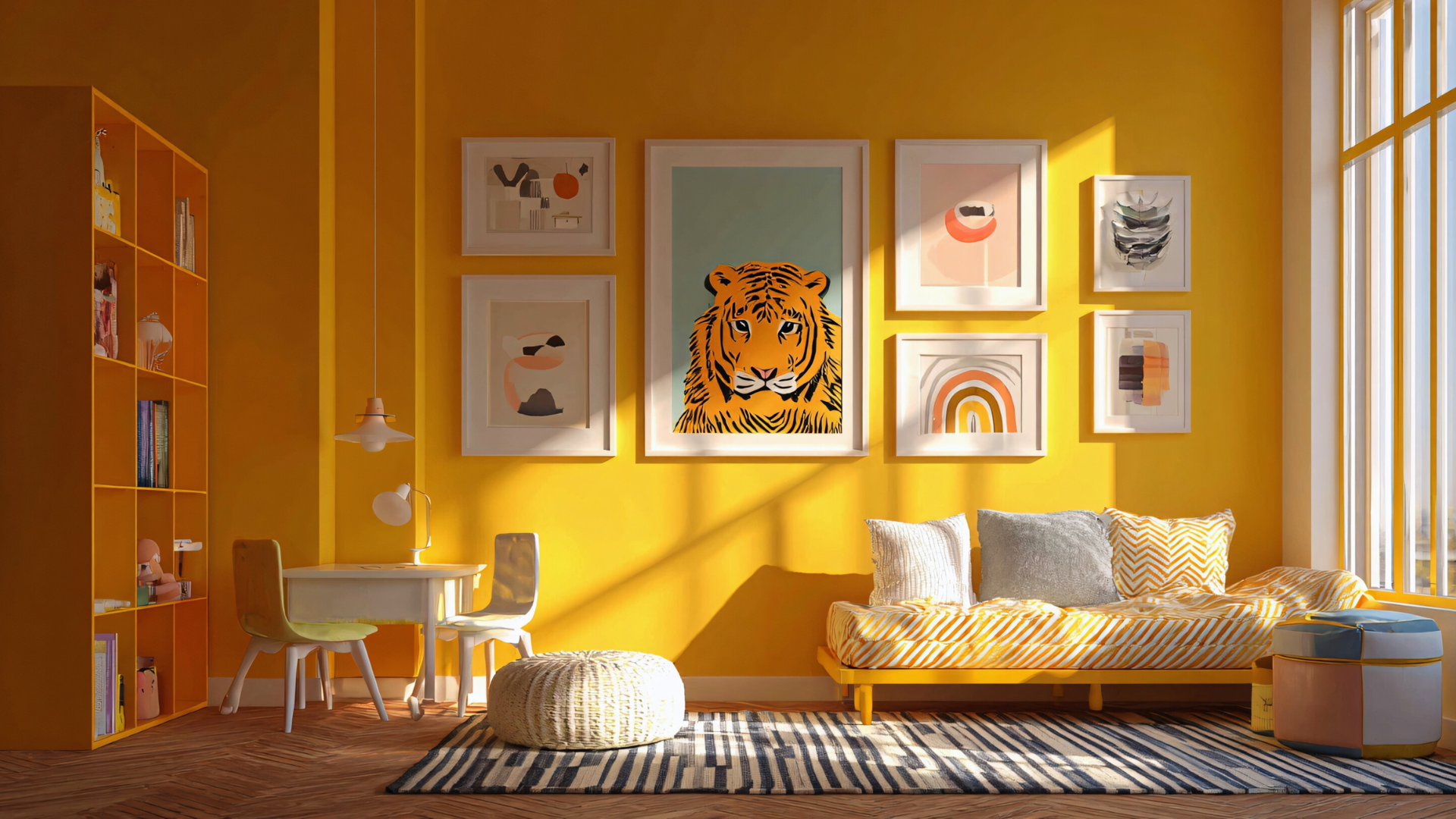
Creating a cozy, stylish living space starts with balancing comfort and design. Using soft textures, warm lighting, and thoughtful furniture choices can make any room feel inviting while maintaining elegance.
Attention to detail, such as adding personal touches and layering colors, plays a key role in achieving a harmonious look. It’s about blending functionality with aesthetics to ensure the space suits everyday living and reflects personality.
By focusing on these elements, anyone can transform a simple room into a comfortable retreat that also impresses visually. This approach avoids clutter and emphasizes purposeful decor.
Foundation Elements for a Cozy and Stylish Living Space
Creating a warm and inviting living space involves deliberate choices in color, furniture, and texture. Each element works together to balance comfort and style, enhancing both relaxation and aesthetic appeal.
Choosing a Comfort-Driven Color Palette
A color palette sets the foundation for a cozy atmosphere. Neutral tones like beige and soft taupes provide a calming backdrop. Deep greens add richness and a touch of nature, promoting relaxation.
Accent colors should be subtle and harmonious. Shades in muted blues or warm terracotta complement a minimalist living room without overwhelming the senses. Avoid overly bright colors that disrupt serenity.
Consider how natural and accent lighting interact with the color scheme. Soft, warm lighting enhances beige and green hues, making the space feel inviting and balanced.
Selecting Cozy and Functional Furniture
Furniture should offer both comfort and practicality. A plush sofa with velvet upholstery or soft fabric is ideal to encourage relaxation. Adding plush pillows and throws increases softness and warmth.
Multifunctional pieces like ottomans with storage or fold-out seating help maintain a clean, organized space. Wooden furniture adds natural texture and stability, fitting well with various styles.
Choose items sized appropriately for the room to avoid clutter. Prioritize seating that invites lounging without sacrificing support, ensuring the living space remains both stylish and livable.
Incorporating Layered Textures
Layered textures create depth and comfort. Combining wool area rugs with soft throw blankets introduces warmth underfoot and tactile interest.
Velvet pillows paired with cotton or linen throws offer variation without clashing. Mixing smooth wooden furniture surfaces with plush textiles balances hard and soft elements.
Focus on materials that invite touch and add visual weight. Use layers strategically to define seating areas, enhancing both function and coziness in the living space.
Enhancing Ambience with Lighting and Natural Elements
Creating a comfortable and stylish living space depends heavily on how lighting and natural elements are integrated. Careful selection and arrangement of light sources, combined with thoughtful use of plants and materials inspired by nature, contribute to a relaxing atmosphere.
Utilizing Layered Lighting Techniques
Layered lighting involves combining ambient, task, and accent lighting to create depth and flexibility. Ambient lighting provides overall illumination; it can be achieved with ceiling-mounted fixtures, pendant lights, or soft wall sconces.
Task lighting focuses on specific activities, such as reading or cooking. Table lamps and floor lamps positioned near seating areas offer precise brightness without overpowering the space.
Accent lighting highlights architectural features, artworks, or plants. This can include spotlights, string lights, or candles used strategically for warmth and visual interest. Dimmer switches allow control over intensity, helping adjust the mood from bright and functional to soft and intimate.
Maximizing Natural Light and Views
Natural light is essential for a lively and inviting living area. Placing mirrors opposite windows reflects sunlight deeper into the room, increasing brightness without extra energy use.
Sheer curtains help diffuse harsh sunlight while maintaining privacy. Arranging furniture to face windows takes advantage of outdoor views, connecting the indoors with nature.
Keeping window areas clear of heavy drapes or bulky furniture ensures unobstructed light flow. Skylights or solar tubes are options for rooms lacking sufficient windows, enhancing daytime illumination and enhancing the feeling of openness.
Bringing Greenery and Natural Materials Indoors
Plants bring life and freshness to any living space. Low-maintenance varieties like snake plants tolerate low light and require minimal care, making them ideal for beginners.
Grouping indoor plants at different heights creates visual layers and encourages a natural vibe. Pots made from clay, stone, or wood complement nature-inspired decor.
Using natural materials extends beyond plants. Incorporating wooden furniture, woven rugs, and stone accents adds texture and warmth. Elements like a fireplace or candles increase coziness by providing soft lighting and a connection to natural warmth.
Adding Personality and Practical Solutions
A cozy, stylish living space balances personal touches with functional elements. Thoughtful art choices, smart storage, and well-placed accents make the room both inviting and practical.
Personalizing with Art and Decor
Creating a gallery wall is an effective way to display family photos and favorite artworks. Arranging pieces with consistent frames or a unified color scheme adds structure without sacrificing personality.
Incorporating personal touches like mementos or handcrafted decor enhances warmth. Avoid overcrowding surfaces; instead, select key items that reflect interests and memories. Curtains in textured fabrics can soften lighting and add subtle style.
Effective Storage and Organization Ideas
Storage solutions that blend with the room’s décor keep the living space tidy and functional. Decorative baskets offer elegant options for stowing throws, magazines, or toys, maintaining order without clutter.
Shelving units with a mix of open and closed storage balance display and concealment. Using multi-purpose furniture—like ottomans with hidden compartments—maximizes efficiency in smaller spaces.
Choosing Accents and Pops of Color
In a stylish living room, pops of color provide visual interest amid neutral tones. Accent pillows, rugs, or small decorative objects in bold hues can energize the space without overwhelming it.
Choosing colors that complement existing elements ensures cohesion. Even a single brightly colored vase or lamp can define a corner and invite attention, creating depth within the scheme.
Leave a Reply