
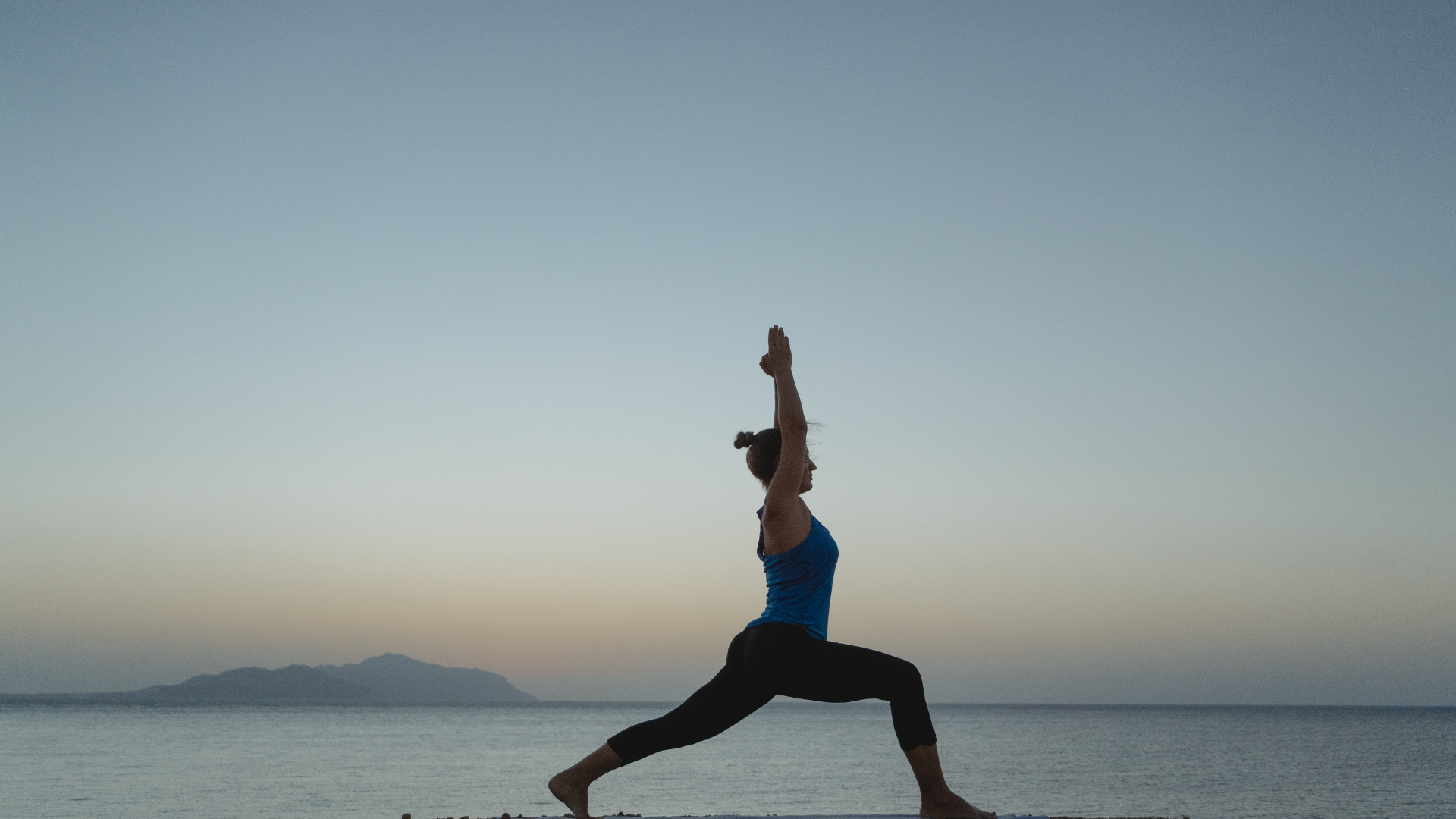
Starting a yoga practice can be an enriching experience for individuals seeking to enhance their physical and mental well-being. Easy yoga poses are perfect for beginners, providing a gentle introduction to the benefits of yoga without overwhelming newcomers. These poses not only promote flexibility and strength but also incorporate elements of meditation and mindfulness, helping to center the mind and reduce stress.
Many people have found success in easing into yoga with simple positions that require minimal experience. These accessible poses can easily fit into a daily routine, allowing practitioners to gradually develop their yoga skills while enjoying the calming effects of mindfulness. It’s an invitation to discover the joys of movement and breath, as well as a path to greater self-awareness.
Embracing easy yoga poses can serve as a foundation for a lifelong practice. By fostering a sense of accomplishment and connection, individuals can deepen their engagement with yoga. The journey begins with these fundamental movements, paving the way for further exploration into the vast world of yoga.
Fundamentals of Yoga
Yoga integrates physical postures, breathing techniques, and mindfulness to promote overall well-being. Mastering the fundamentals enhances the practice’s effectiveness, allowing individuals to experience greater strength, balance, flexibility, and relaxation.
Understanding Yoga and Its Benefits
Yoga is an ancient practice that combines physical activity with mental focus. It helps build strength, improve flexibility, and increase balance.
Practicing yoga can also offer significant mental benefits, such as reduced stress and improved focus. Common postures, or asanas, encourage stretching and relaxation, making it easier to unwind.
In addition, yoga promotes mindfulness through meditation and breath control, known as pranayama. This holistic approach supports both physical health and emotional well-being.
Proper Alignment and Breathing Techniques
Proper alignment is crucial in yoga to prevent injury and maximize the benefits of each pose. It involves maintaining the correct posture to ensure the body is balanced and aligned.
Common alignment cues include keeping the spine straight, shoulders relaxed, and knees aligned with the toes. Each pose should be approached with mindfulness to maintain safety and effectiveness.
Breathing techniques, or pranayama, play a vital role in yoga. Controlled breathing enhances focus and helps regulate energy levels during practice.
A common technique involves inhaling deeply through the nose, filling the lungs, and exhaling slowly. This not only improves relaxation but also aids in achieving better flexibility and stability in poses.
Beginner-Friendly Yoga Poses
Beginner-friendly yoga poses provide a solid foundation for those new to yoga practice. These poses enhance flexibility, strength, and balance, catering specifically to their levels.
Standing and Balance Poses
Standing poses improve strength and stability while engaging the core. Key poses include:
- Mountain Pose (Tadasana): This foundational pose promotes proper alignment and grounding. It involves standing tall with feet together, arms at the sides, and focusing on breath.
- Tree Pose (Vrksasana): A balance pose where one foot rests on the opposite thigh. It improves concentration and stability.
- Chair Pose (Utkatasana): This pose mimics sitting in a chair, strengthening the thighs and glutes. It encourages deep breathing and focus.
- Warrior I (Virabhadrasana I): A strong pose that builds confidence and flexibility. The front knee bends at a right angle while the back leg is straight, arms raised overhead.
- Warrior II (Virabhadrasana II): This expands on Warrior I, offering a broader stance that enhances balance and focus. The arms extend parallel to the ground.
These standing poses form a foundation for developing strength and balance in yoga.
Seated and Supine Poses
Seated and supine poses foster relaxation and flexibility. Important poses include:
- Easy Pose (Sukhasana): A comfortable seated position promoting calm and meditation. Legs cross at the shins to open the hips.
- Seated Forward Bend (Paschimottanasana): This pose stretches the spine and hamstrings. The body bends forward over the legs, enhancing flexibility.
- Butterfly Pose (Baddha Konasana): This hip-opening pose involves bringing the soles of the feet together while sitting, promoting inner thigh flexibility.
- Seated Twist: This pose involves twisting the torso to improve spinal mobility. It aids digestion and can be done seated or supine.
- Cat-Cow Pose (Bitilasana and Marjaryasana): A gentle flow between arching and rounding the back, enhancing spinal flexibility. This can be done in a tabletop position.
These seated and supine postures are vital for beginners to develop deeper body awareness and relaxation techniques.
Transitional Poses and Sequences
Transitional poses and sequences form the backbone of a fluid yoga practice. They connect different postures, creating a sense of movement and continuity. Vinyasa and Sun Salutations provide excellent examples of these transitions.
Vinyasa and Sun Salutations
Vinyasa yoga emphasizes the connection between breath and movement. Each inhale and exhale leads into a new pose, promoting fluidity. For instance, practitioners can flow from a Downward-Facing Dog (Adho Mukha Svanasana) into a Plank Pose. Maintaining this flow enhances strength and stability.
Sun Salutations are a classic series of poses designed to warm up the body. They typically include a sequence of movements: start with Mountain Pose, then flow through Forward Bend, Cobra Pose (Bhujangasana), and Child’s Pose (Balasana). This sequence activates major muscle groups, making it ideal for daily routines.
Relaxation and Restorative Poses
Relaxation and restorative poses serve to calm the mind and rejuvenate the body. These poses facilitate mindfulness, supporting deep relaxation and meditation.
Integration of Relaxation in Yoga Practice
In a yoga class, relaxation poses like Savasana (Corpse Pose) are essential. Savasana encourages a deep, restorative state where the body can absorb the benefits of practice. It allows the practitioner to focus inward, fostering a sense of peace.
Other poses such as Happy Baby Pose (Ananda Balasana) and Legs Up the Wall (Viparita Karani) promote relaxation by stretching and releasing tension. Happy Baby Pose opens the hips, while Legs Up the Wall helps reduce fatigue and improve circulation.
Incorporating the Supine Spinal Twist into a regimen further enhances relaxation. This pose gently stretches the spine and massages the abdominal organs, promoting digestion and tranquility. Engaging with these poses can create a holistic yoga experience.
Leave a Reply