
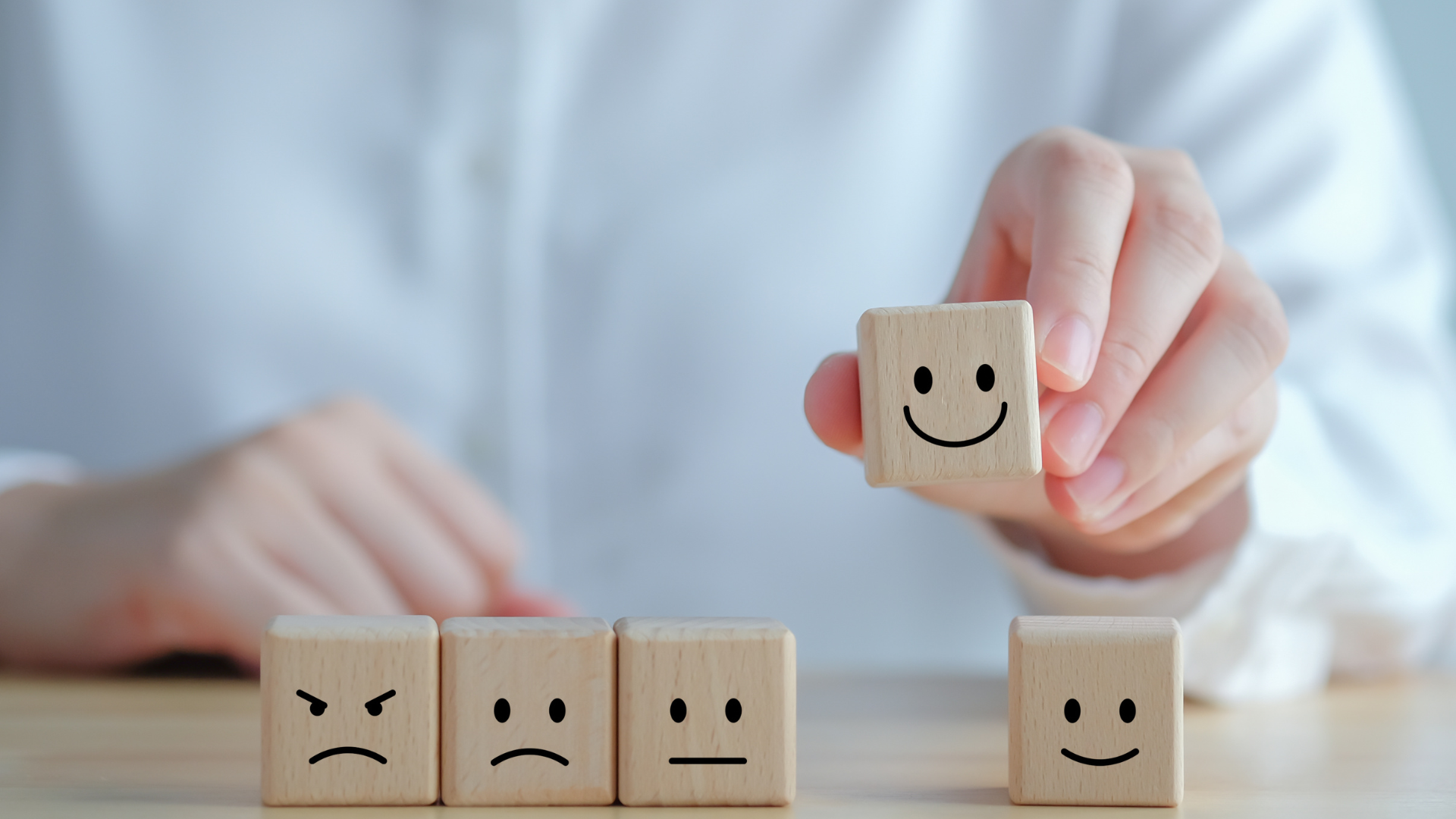
Anxiety can be a significant barrier to daily life, impacting productivity and overall well-being. Implementing effective mental health strategies can greatly reduce anxiety and improve emotional resilience. Simple changes in daily routine and mindset can lead to noticeable improvements.
Many find comfort in mindfulness practices, exercise, and building a supportive community. Incorporating these methods can create a stable foundation for managing anxiety effectively. Readers will discover practical tips that can be easily integrated into their lives, helping to foster a sense of calm and control.
As they explore various techniques, individuals can gain insight into what resonates with them personally. This journey towards mental wellness is not only valuable but essential for fostering a balanced and healthy lifestyle.
Understanding Anxiety and Its Impact on Mental Health
Anxiety can significantly affect one’s mental health and overall well-being. Understanding its triggers, symptoms, and the importance of a proper treatment plan is crucial for effective management.
Identifying Anxiety Triggers and Symptoms
Anxiety triggers vary among individuals but often include stressors such as work pressures, relationship issues, or specific phobias. Recognizing these triggers is essential for developing coping strategies.
Common symptoms of anxiety include excessive worry, restlessness, fatigue, and difficulty concentrating. Physical manifestations may involve increased heart rate, muscle tension, and sweating. Understanding these symptoms helps individuals better articulate their experiences and seek appropriate help.
And for those navigating these symptoms, exploring natural remedies for anxiety can often be a supportive first step. While approaches vary, some individuals find that incorporating light exercise, breathing techniques, or nutritional supplements into their routines typically helps create a greater sense of balance alongside other care strategies.
Understanding the Impact of Past Experiences on Anxiety
Anxiety is not always caused by immediate stressors; in many cases, it is rooted in past experiences that shape emotional responses over time. Traumatic events, especially those occurring during childhood, can significantly influence how individuals process fear, stress, and uncertainty in adulthood. These experiences may lead to heightened sensitivity to stress, difficulties in regulating emotions, or persistent feelings of fear and insecurity.
For example, individuals who have experienced childhood abuse may develop deep-seated anxiety that continues into adulthood. Unresolved trauma can manifest as hypervigilance, difficulty trusting others, or overwhelming feelings of distress in certain situations. Exploring resources on healing from childhood abuse can provide valuable guidance on addressing past trauma, understanding its impact, and finding effective coping strategies.
By understanding how past experiences contribute to anxiety, individuals can take steps towards processing their emotions and breaking free from patterns that no longer serve them. Therapy, mindfulness, and self-reflection can all play a role in addressing these underlying factors, fostering long-term emotional resilience.
Differentiating Between Occasional Anxiety and Anxiety Disorders
Occasional anxiety is a normal response to stress and does not interfere significantly with daily functioning. In contrast, anxiety disorders can disrupt everyday life and can include panic attacks, which are intense episodes of fear accompanied by physical symptoms like shortness of breath and dizziness.
Anxiety disorders typically persist over time and may require professional intervention. Recognizing the difference between the two can guide individuals in seeking the right level of support and treatment.
The Role of Serotonin and Endorphins in Mood Regulation
Neurotransmitters such as serotonin and endorphins play a critical role in mood regulation. Serotonin is linked to feelings of well-being and happiness, while endorphins act as natural pain relievers and mood boosters.
Imbalances in these chemicals can exacerbate anxiety symptoms. Activities that promote their production, such as regular exercise and healthy eating, contribute to improved mental health. Understanding their impact highlights the importance of lifestyle choices in managing anxiety.
Recognizing the Importance of a Treatment Plan
Developing a treatment plan is vital for managing anxiety effectively. This plan may include therapies such as cognitive-behavioral therapy (CBT), medication, or mindfulness practices.
Working with mental health professionals from organizations like Serenity Mental Health Centers (accessible at https://serenitymentalhealthcenters.com/) can provide individuals with the personalized care they need. A personalized approach can guarantee that treatment aligns with their specific challenges, and regularly reviewing and adjusting the plan helps address changes in symptoms and triggers. This ongoing support plays a key role in achieving better long-term well-being.
Effective Strategies for Reducing Anxiety
Several effective strategies can help manage and reduce anxiety. They encompass therapeutic approaches, physical activity, and mindfulness techniques that collectively promote mental well-being.
Cognitive Behavioral Therapy for Anxiety Management
Cognitive Behavioral Therapy (CBT) is a structured, time-limited approach that focuses on changing negative thought patterns. It helps individuals identify and challenge irrational beliefs that contribute to anxiety. Through CBT, clients learn practical skills to reframe their thoughts, allowing them to cope better with stressors.
Clients often work with a mental health professional to uncover and address underlying issues. Techniques like exposure therapy may also be utilized, gradually exposing clients to anxiety-provoking situations in a controlled manner. This exposure helps reduce fear responses over time.
CBT typically includes homework assignments that reinforce new coping strategies. These assignments encourage mindfulness and self-reflection, making them a powerful tool for effective anxiety management.
Incorporating Physical Activity and Exercise
Regular physical activity plays a crucial role in reducing anxiety. Exercise promotes the release of endorphins, which serve as natural mood lifters. Even moderate activities, such as walking or yoga, can lead to significant improvements in overall mental health.
Establishing a routine that includes at least 30 minutes of exercise most days can make a marked difference. Activities like jogging, dancing, or cycling can distract from anxiety and elevate mood.
Additionally, group exercises can offer social support, which further reduces feelings of isolation. Combining physical activity with outdoor settings can enhance these benefits, as nature itself has a calming effect.
The Benefits of Deep Breathing Techniques
Deep breathing exercises are essential for managing acute anxiety. Techniques like diaphragmatic breathing help activate the body’s relaxation response. By focusing on slow, controlled breaths, individuals can lower their heart rates and reduce feelings of panic.
Incorporating deep breathing into daily routines can help build resilience against future anxiety. Exercises such as the 4-7-8 technique involve inhaling for four seconds, holding for seven, and exhaling for eight. This method not only calms the nervous system but also promotes mental clarity.
Practicing deep breathing in various situations can prepare individuals for stressful events, fostering a sense of control. Using visualization techniques during these exercises can enhance their effectiveness, further calming the mind.
Mindfulness and Meditation Practices
Mindfulness and meditation offer powerful tools for anxiety reduction. These practices encourage individuals to focus on the present moment, helping break the cycle of anxious thoughts. Guided meditation, for example, often includes visualization strategies that assist in stress relief.
Regular mindfulness exercises can develop resilience against anxiety triggers. Techniques can include body scans or mindful breathing, helping to ground individuals in their experiences. As mindfulness becomes integrated into daily life, individuals report reduced anxiety levels.
Participating in structured programs or apps that focus on mindfulness can enhance the practice. Progressive muscle relaxation is another effective method, systematically tensing and relaxing muscle groups to promote physical relaxation and mental clarity.
Adopting a Healthy Lifestyle to Support Well-Being
A healthy lifestyle can significantly impact mental well-being. Specific practices related to sleep, nutrition, relationships, and substance use can aid in managing anxiety and fostering resilience.
Enhancing Sleep Quality Through Good Sleep Hygiene
Establishing good sleep hygiene is essential for improving sleep quality. Consistent sleep schedules, where individuals go to bed and wake up at the same time daily, help regulate the body’s internal clock. Creating a calming bedtime routine can signal the brain that it is time to wind down.
The sleeping environment should be conducive to rest. A dark, quiet, and cool room can facilitate deeper sleep. Limiting screen time before bed also reduces exposure to blue light, which can interfere with melatonin production.
If insomnia persists, improving sleep hygiene practices can aid in overcoming anxiety. Relaxation techniques such as deep breathing or meditation can prepare the mind for rest.
The Importance of a Balanced Diet and Nutrition
Nutrition plays a critical role in mental health. A balanced diet rich in fruits, vegetables, whole grains, and lean proteins can enhance mood and energy levels. Specific nutrients, such as omega-3 fatty acids and vitamins B and D, are linked to improved mental health.
Staying hydrated is equally important. Dehydration can have adverse effects on mood and cognitive function. Regular meals can help maintain steady energy levels, preventing mood swings and irritability.
Individuals should consider reducing processed foods and sugars, as they can negatively impact mental well-being. Incorporating foods that boost serotonin, like bananas and nuts, can help manage anxiety levels.
Building Strong Relationships and Support Systems
Strong relationships are vital for emotional health. Support systems built on trust and understanding can provide comfort during momentary challenges. Engaging in social activities and fostering connections with family and friends can offer opportunities for shared experiences and emotional support.
Effective communication is key. Sharing feelings and concerns can promote emotional bonding. Establishing a routine of checking in with loved ones can help individuals feel less isolated.
Participating in community groups or clubs can also provide a sense of belonging. These interactions can enhance coping mechanisms and lessen feelings of anxiety.
Avoiding Substances That Can Exacerbate Anxiety
Certain substances can worsen anxiety symptoms. Caffeine, alcohol, and nicotine can have stimulating effects that enhance feelings of anxiety and restlessness. Limiting or eliminating these substances can lead to improved mental health. Alternatively, for those seeking a unique approach to relaxation, a calming, vitamin-infused Anxiety Vape can also offer a soothing experience, providing a gentle way to manage stress.
Individuals should also be cautious with recreational drugs. Many can interfere with mood regulation and overall mental stability. Instead, focusing on natural coping mechanisms, such as exercise and mindfulness, can provide healthier alternatives to manage anxiety.
By prioritizing a healthy lifestyle, individuals can create a stronger foundation for mental well-being.
Leave a Reply